

AI-Assisted Creative Workflows
AI is changing how creative work gets made. My focus is not on using AI as a novelty, but on integrating it thoughtfully into the creative workflow so teams can explore ideas faster and produce better work.
As a Group Creative Director, my role is not to personally generate every asset. It is to identify where AI can improve the process, introduce the right tools, and help creative teams use them effectively.
I encourage experimentation while ensuring that AI supports the creative vision rather than replacing it. And play around with it every chance I get.
Concept Development
In early stages of creative development, AI allows teams to explore narrative ideas, visual territories, and stylistic directions much faster than traditional moodboarding alone.
By incorporating AI into concept exploration, teams can test multiple approaches quickly and focus on the ideas with the strongest emotional and strategic potential.
Visual Direction and Story Development
AI tools are particularly useful when developing visual direction for campaigns, environments, and experiential work.
Creative teams can rapidly explore lighting, environments, composition, and tone before committing to production. This helps align internal teams and clients earlier in the process and creates stronger visual clarity before production begins.
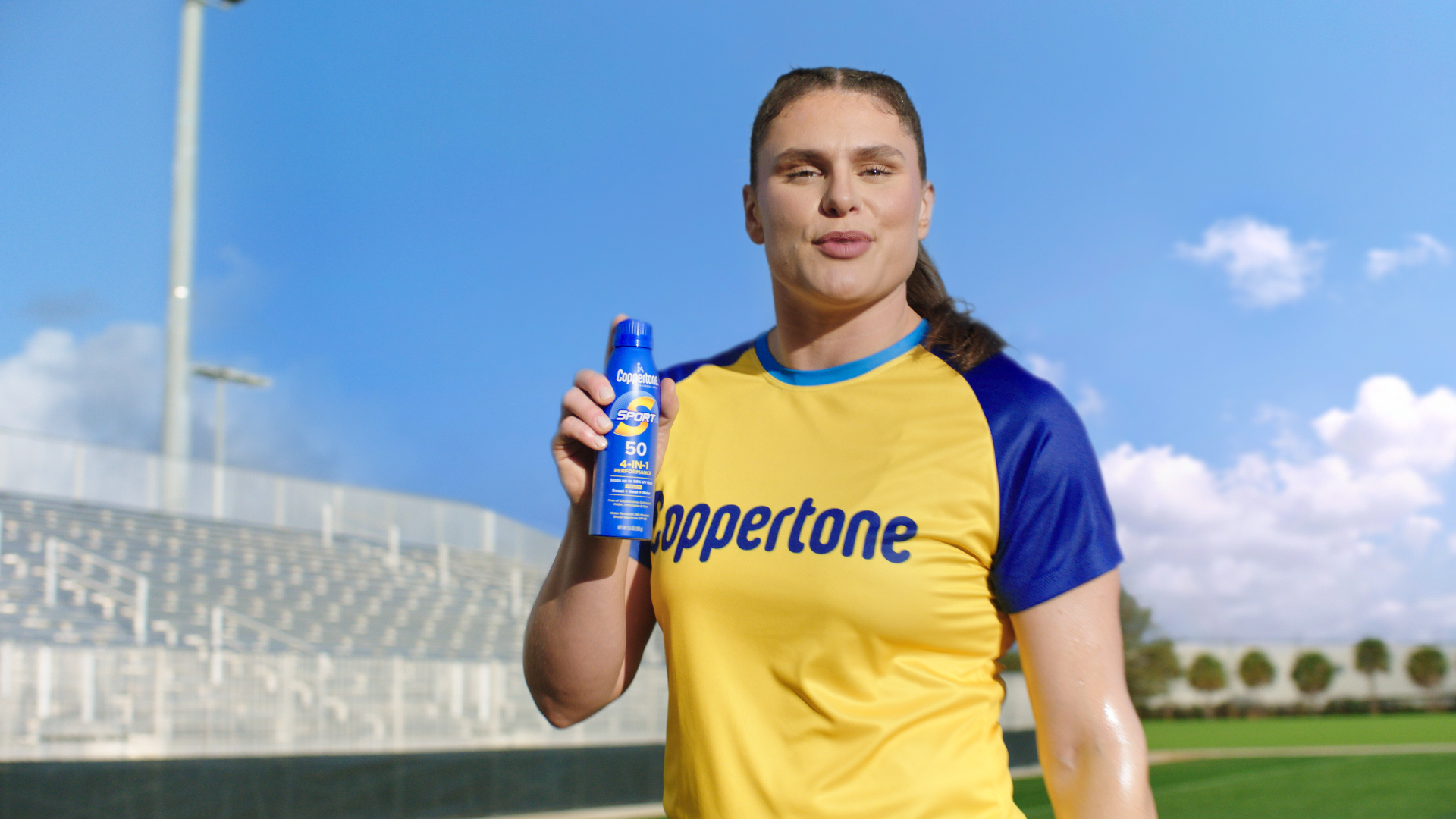
I remember being a young art director working into the early hours of the morning to comp together an image to help sell in an idea, only to have the concept killed the next morning. AI helps us rapidly create these kinds of supporting images in literal minutes at a much higher quality.
Scalable Creative Systems
For brands producing content across many channels, AI can support scalable creative systems by helping generate visual frameworks and layout explorations that adapt across formats.
This allows in-house teams to maintain consistency while increasing speed and efficiency.
Perspective
AI does not replace creative thinking. It expands the speed of exploration and helps teams evaluate more ideas before committing to a final direction.
My role as a creative leader is to help teams navigate these tools responsibly while maintaining a high standard of craft and storytelling.
AI for Fast-Turn Social Ideas
The question we should always be asking ourselves is not “How can we use this?” but “Why should we use this?”
Consumers are increasingly savvy, and overtly AI-generated content often feels inauthentic. The goal is not to showcase the technology. The goal is to use it in ways that support the idea.
AI is most effective when it solves a real creative or production problem. It can help explore visual directions quickly, accelerate concept development, or elevate ideas that would otherwise never make it past the sketch phase.
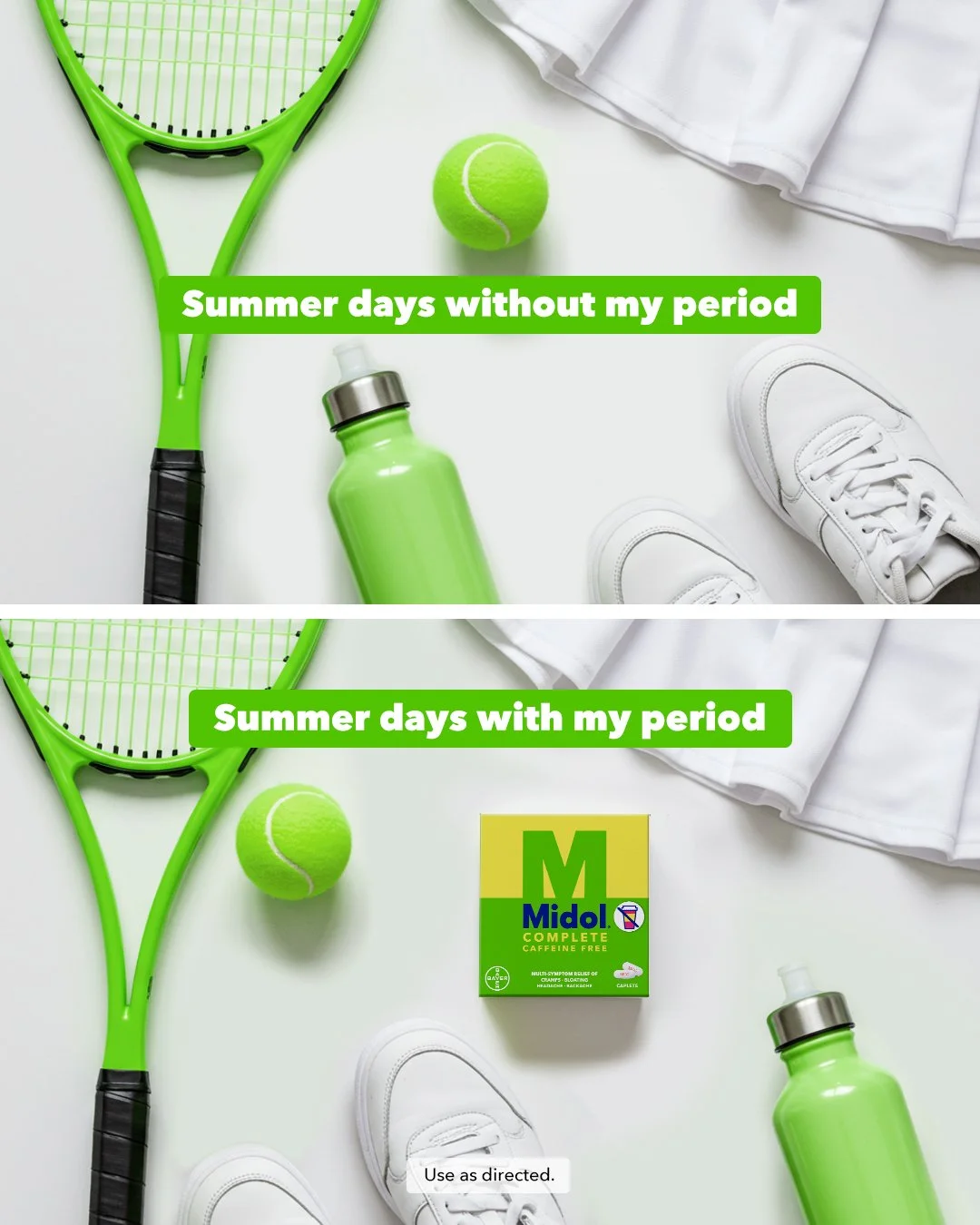
Social media is a good example. Many social ideas are strong conceptually but do not have the budget or production timeline to fully execute them. AI can help bridge that gap by allowing teams to prototype, visualize, and produce quick-turn content that still feels thoughtful and creatively intentional.
When used with restraint and purpose, AI becomes less about novelty and more about enabling better ideas to reach the audience.
Creativity is Still King
None of this works without the idea first. The value still comes from smart people working together to solve creative problems.
AI does not replace that process. It simply makes certain ideas possible that would otherwise be too expensive or impractical to produce.
The idea leads. AI helps bring more of those ideas to life.
Independent AI Builds
Outside of client work, I experiment with emerging tools to prototype products, websites, and AI-assisted creative workflows.
For me, this is less about traditional software development and more about staying hands-on with the tools reshaping how digital experiences get built. These projects allow me to explore how quickly ideas can move from concept to working prototype and how AI can support creative thinking, product design, and rapid iteration.
As a creative leader, I believe it’s important not only to guide teams through new technologies, but to understand them directly through experimentation.
Personal Tech Stack
AI / LLMs
ChatGPT + OpenAI APIs
Claude
Perplexity
Frontend / Prototyping
HTML / CSS
Lightweight JS frameworks
Rapid UI prototyping tools
AI-Assisted Development
Replit
Lovable
Creative Tools
Midjourney
Runway
Adobe Creative Cloud / Firefly
Pencil
Veo / Nano Banana
Eleven Labs
The Build
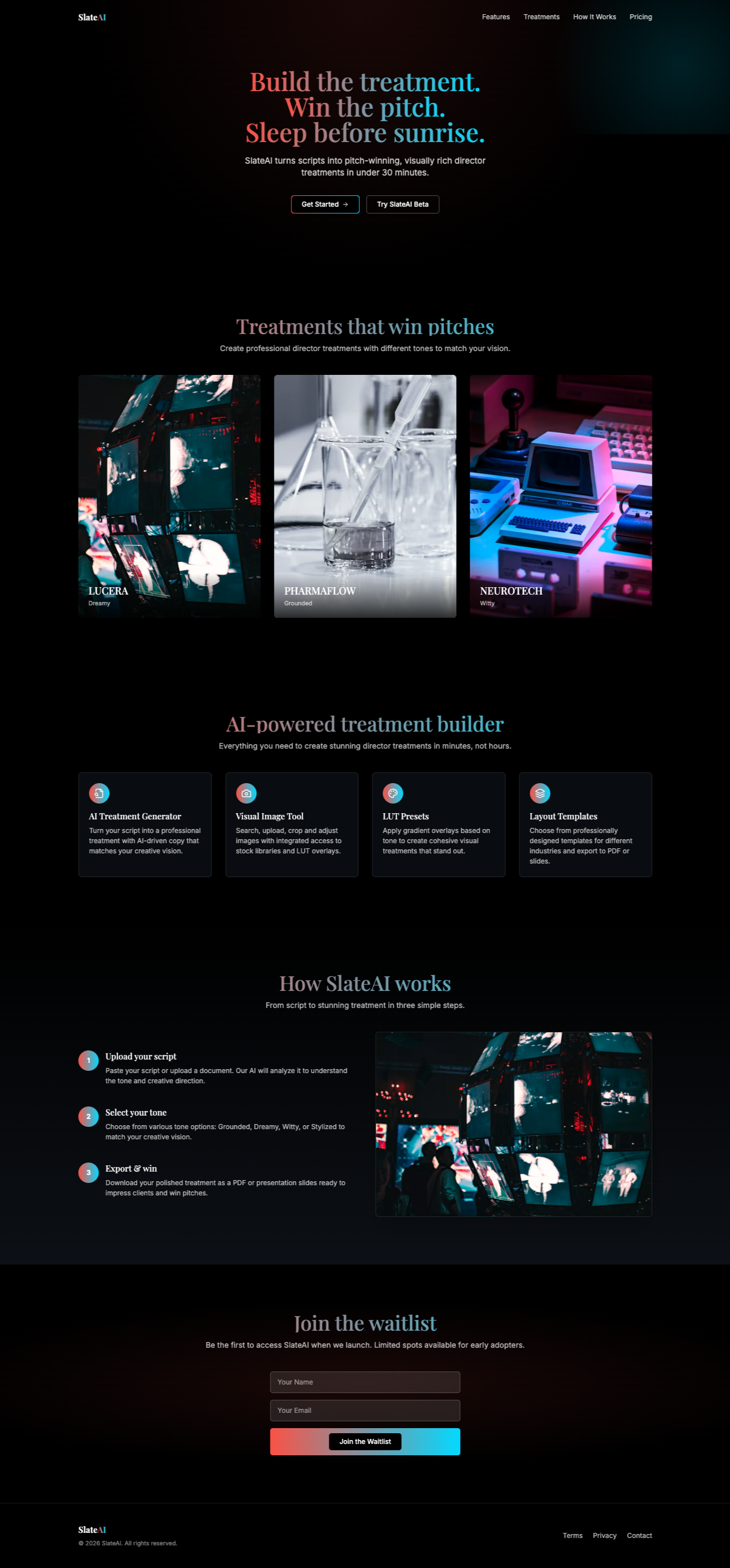
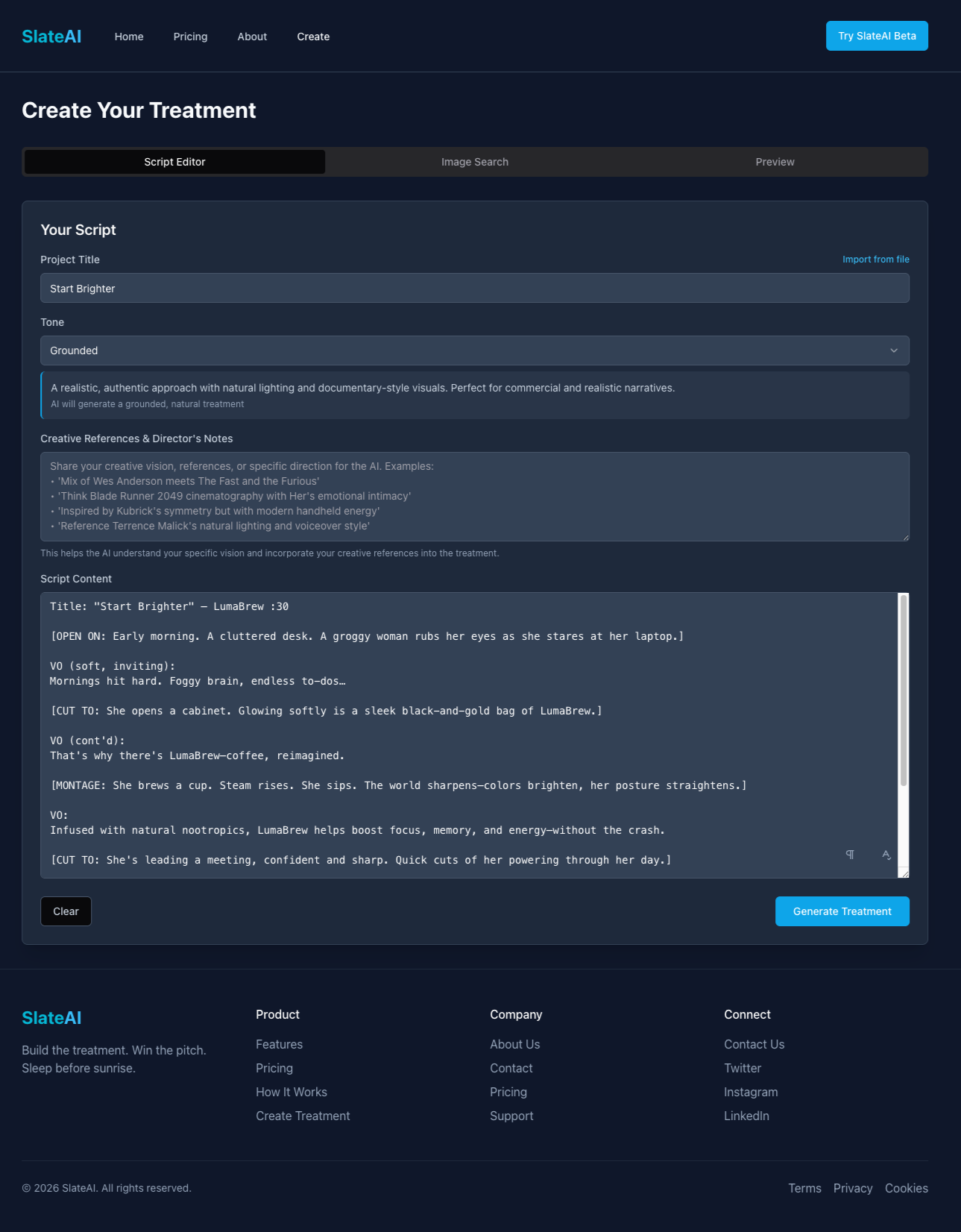
I built Slate as an independent experiment using AI-assisted development tools.
The prototype explores how generative AI can:
• Analyze a script
• Generate structured treatment sections
• Suggest visual and thematic directions (linked to Unsplash’s API)
• Maintain a consistent narrative tone
The system is designed to adapt to the director’s voice, allowing the treatment to feel personal rather than machine-generated.
The next step is to code an export feature to send to either Google Slides or download as a PPT or Keynote.
The Value
Slate explores a simple premise: if AI can handle the mechanical parts of treatment creation, directors can focus on storytelling and creative vision.
In an industry where treatments are essential but expensive to produce, tools like this could significantly reduce development time while helping production companies pursue more opportunities.
Workflow / Experimentation
Prompt engineering
AI-assisted ideation
Rapid concept prototyping
Copywriting
Backend development of apps
Selected Experiments: Slate AI
AI-assisted tool for developing director treatments
The Problem
Production companies invest significant time and money creating treatments in order to win commercial work. A single treatment can take days to build and often requires designers, writers, and producers to assemble references, write narrative sections, and structure the presentation.
One well-known production company shared that the average treatment they produce costs around $7,000 in internal time and resources.
Much of that effort goes toward structural work: organizing the script, writing baseline sections, gathering references, and formatting the document.
The Idea
Slate was built to reduce the repetitive work involved in treatment development while preserving the director’s creative voice.
Instead of starting from a blank page, Slate ingests a script and generates a structured treatment framework that includes narrative sections, thematic exploration, and visual direction prompts.
The goal is not to replace the director’s thinking. The goal is to eliminate the grunt work so directors and creative teams can spend more time refining ideas and less time assembling documents.
Selected Experiments: www.NYCWater.family
A playful product concept celebrating what makes New York City’s bagels and pizza so damn delicious
The Insight
New York City tap water has a near-mythical reputation. Restaurants, bagel shops, and pizza makers frequently attribute the city’s distinctive taste to the mineral profile of its water.
Despite the cultural obsession around NYC water, the idea of recreating it elsewhere is usually treated as a joke or folklore.
The Idea
NYC Water started as a way to answer the question: Why can’t I get a proper bagel in Chicago? After a decade of living in NYC, I was struggling. Then it hit me: it’s the water.
What if the flavor profile of New York City tap water could be packaged and recreated anywhere? All we have to do is distill a gallon of NYC tap water, analyze what minerals remain, and package it up to add to a gallon of distilled water you can purchase locally. And boom: the perfect bagel is within your grasp, anywhere in the world.
The Build
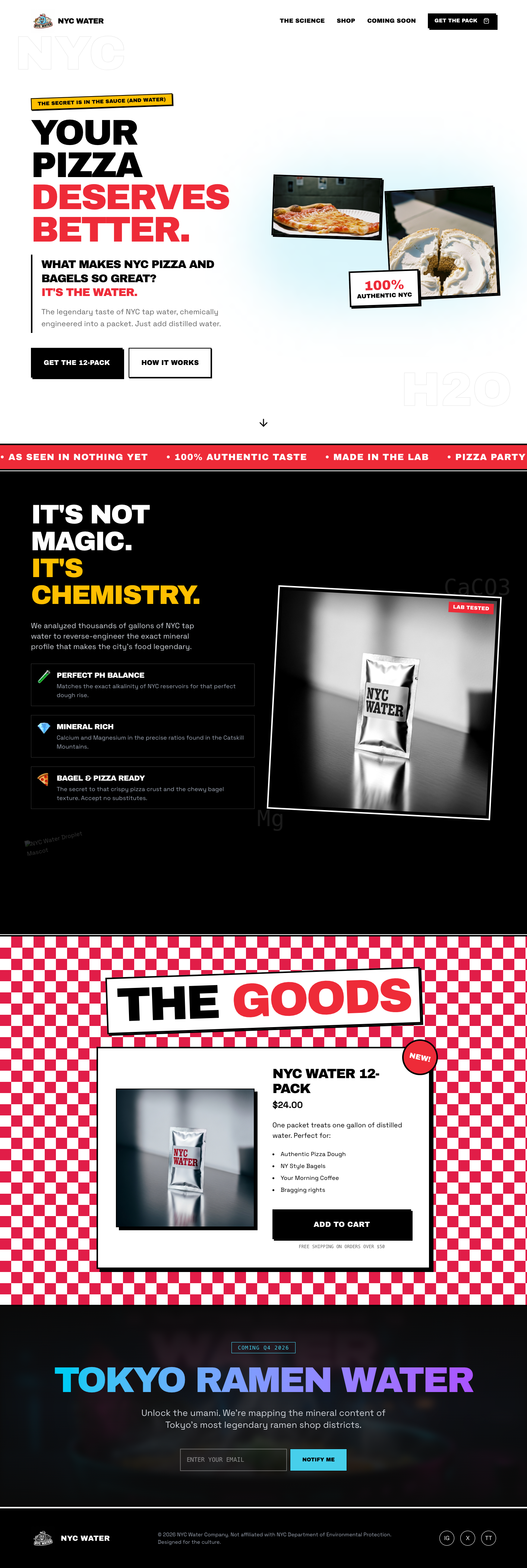
I built NYCWater.family as a lightweight product concept site to explore how quickly an idea can move from thought experiment to working digital experience.
Using modern rapid development tools, the site was designed and deployed quickly to test the concept as if it were a real product launch.
The project explored:
• AI-assisted web development
• rapid product prototyping
• concept-driven digital storytelling
• lightweight e-commerce style presentation
The Value
NYC Water demonstrates how creative leaders can quickly prototype product ideas and cultural concepts using modern development tools.
Instead of pitching a speculative idea in a deck, it can now be turned into a working experience that audiences can explore immediately.
These kinds of experiments help bridge the gap between creative concept, product thinking, and digital execution.